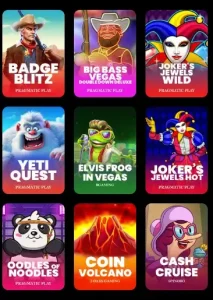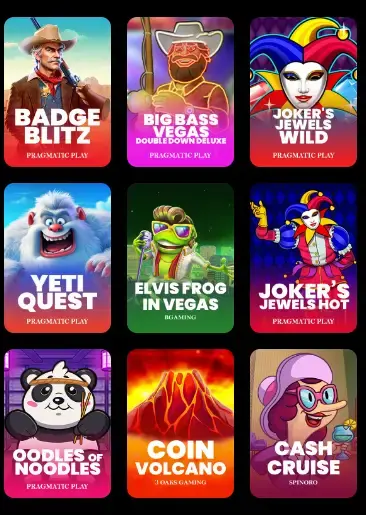
You download a social casino app, maybe for a quick bit of fun. The slots spin, the cards deal, and it feels… harmless. There’s no real money payout, after all. But then you see it: a special offer for a mountain of virtual chips. A limited-time bundle. A “daily deal” that’s just too good to pass up. Before you know it, you’ve tapped “purchase.”
What just happened? That impulse isn’t random. It’s the result of meticulously crafted psychological design. Let’s dive into the hidden mechanics that make spending in these apps feel so compelling, and frankly, so normal.
The Illusion of Value: Why Virtual Chips Feel Real
Here’s the deal: the brain has a funny way of blurring lines. Social casino apps are masters at creating what’s called a “perceptual currency.” Those chips, coins, or gems might not be dollars, but your mind starts treating them like they are. They have a “price,” you earn them, you lose them, and you can buy more. This cognitive framing is the first crucial step.
It decouples the act of spending from the reality of spending. You’re not buying $4.99; you’re buying 500,000 “gold coins.” The real-world value gets foggy, making microtransactions—those small, frequent purchases—feel trivial. It’s like using a gift card; the pain of parting with cash happened once, long ago, and now you’re just playing with tokens.
Key Psychological Triggers at Play
Developers and behavioral scientists employ a whole toolkit of triggers. Honestly, it’s a bit like a slot machine itself—a cascade of little psychological wins designed to keep you engaged… and spending.
- The Sunk Cost Fallacy: You’ve invested time (and maybe a little money) building your virtual empire. Quitting feels like wasting that investment. So you buy more chips to keep your “progress” alive.
- Fear of Missing Out (FOMO): Timed offers. “Flash sales.” Exclusive avatar items available for 24 hours. This creates urgency, short-circuiting rational thought. You buy not because you need it, but because you might miss it.
- The Endowment Effect: Once you own something—even a digital item—you irrationally value it more. That special deck of cards you bought? You’re now more likely to keep playing to “use” your prized possession.
The Dopamine Loop: Rewards, Near-Misses, and the “Almost” Win
This is the engine room. At its core, the psychology of in-game purchases in social casinos taps into the same reward pathways as gambling. The intermittent reinforcement schedule—where rewards are unpredictable—is incredibly powerful. You never know when the big “win” (a jackpot of virtual chips) will hit, so you keep spinning.
But there’s a sneaky twist: the near-miss. When two jackpot symbols line up with the third just one space off, your brain interprets it almost like a win. It fires up the dopamine, urging you to try again. “You were so close!” the game seems to whisper. And to try again, you often need more chips. Which means… well, you know.
Purchases are seamlessly integrated into this loop. Running low? A button appears right on the game screen. No need to break your flow. It’s a one-tap solution to continue the dopamine chase.
Monetization Mechanics: More Than Just a “Buy” Button
The way purchases are presented is a science in itself. It’s not just a store; it’s a curated experience designed to maximize conversion. Here’s a breakdown of common tactics:
| Tactic | How It Works | The Psychological Pull |
| Starter Packs & Beginner Bundles | Heavily discounted offers for new users. | Establishes spending as normal early on. Creates a “first hit.” |
| Currency Bundling & Obfuscation | Selling chips in packs (500k, 1.5M, 5M) at confusing dollar-to-chip ratios. | Makes price comparison hard. Encourages buying “more value” upfront. |
| Daily/Weekly “Deals” | A dedicated tab with “discounted” bundles that rotate. | FOMO and the perception of getting a special, smart bargain. |
| “No Ads” or “VIP” Subscriptions | A recurring fee for perks like bonus chips daily. | Locks in commitment and creates a recurring revenue stream from engaged users. |
And let’s not forget social proof. Seeing friends on a leaderboard with massive chip counts or fancy badges isn’t just competition. It’s a signal that spending is what successful players do. It normalizes the behavior within your peer group.
The Ethical Gray Zone
This is where things get murky. Many of these techniques are borrowed directly from real-money gambling, but applied in a space marketed as casual entertainment. The psychology of microtransactions can be particularly potent for vulnerable individuals, blurring the line between play and problem spending.
Regulators are, slowly, starting to look closer. Some regions now require odds disclosures for “loot box” style mechanics in these apps. The debate continues: is it a game, or is it gambling-adjacent behavioral design?
Staying Aware in a Designed World
So, what can you do? Awareness is the first and most powerful tool. Recognizing these triggers for what they are—intentional design choices—can help you reclaim your agency. Here are a few simple checks:
- Turn on spending limits in your device’s app store. It’s a simple, effective barrier.
- Ask yourself: “Am I buying entertainment, or am I buying to relieve frustration?” The latter is a red flag.
- View virtual currency in real-world terms. Before you buy, do the quick math: “This 1 million chip pack costs $9.99. That’s two coffees.”
The goal isn’t to say these apps are inherently bad. For many, they’re genuine fun. But it’s about understanding the hidden architecture of that fun. The colorful spins and friendly challenges are built on a deep understanding of human behavior—our cravings, our fears, our irrationalities.
In the end, the most valuable chip you have is your own attention. And how you spend it, well, that’s the real game.